Commercial cleaning and food safety professionals in Brampton support restaurants, food centers, bakeries, warehouses, and food service operations staying compliant. They decontaminate regularly touched surfaces, food preparation surfaces, equipment, floors, drains, restrooms, and food handling spaces with approved chemicals, maintaining proper ratios, and documenting contact times. You need scheduled cleaning determined by risk, volume, allergens, and regulatory assessments, plus documented proof backing HACCP, quality reviews, and regulatory adherence. The sections below explains what strong sanitation programs must contain.
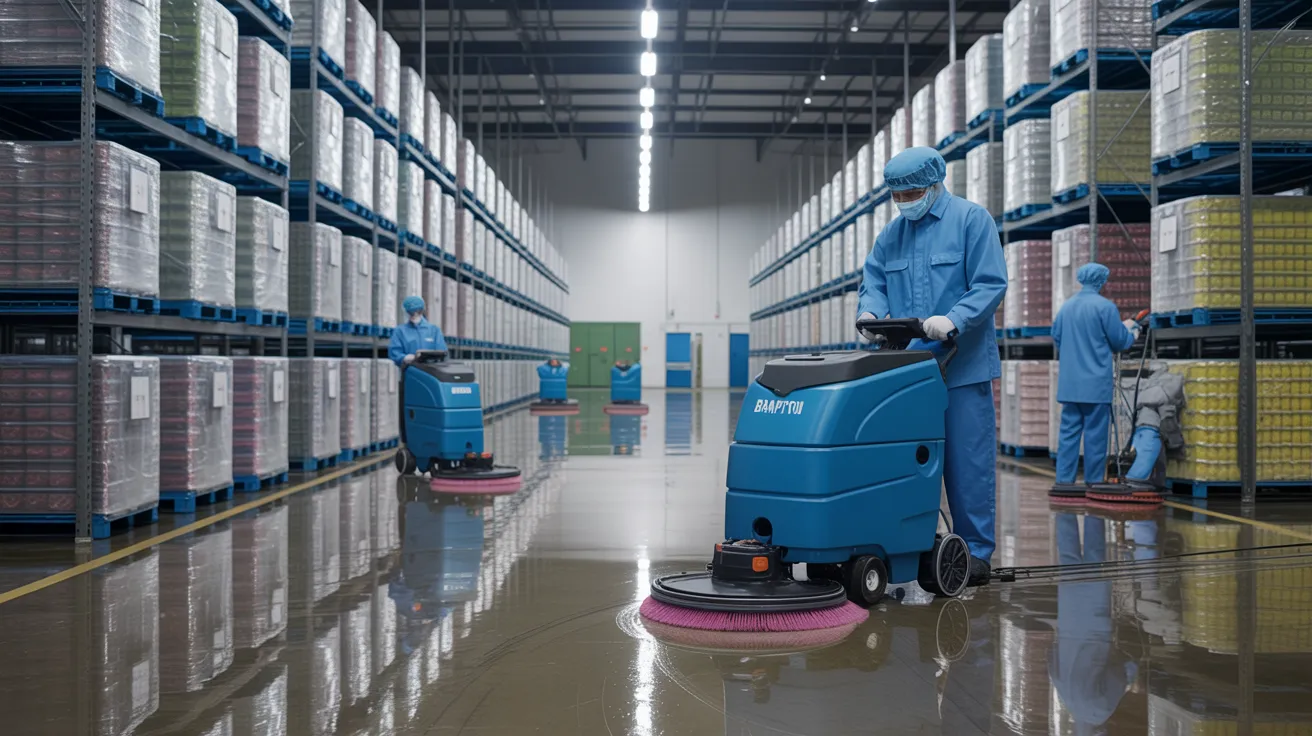
Important Highlights
- Food safety cleaning technicians from Brampton support restaurants, grocery departments, commissaries, warehouses, bakeries, schools, mobile vendors, and allergen-sensitive operations.
- Frequently contacted areas, food-contact equipment, kitchens, floors, drains, restrooms, and storage areas are disinfected using area-specific procedures to prevent cross-contamination.
- Checking of proper chemical concentration, appropriateness, and contact time is completed by qualified contractors, with finishing logged using tests, reviews, and remedial documentation.
- Danger, output capacity, switches, spills, and standards need to inform sanitation schedules, with regular, recurring, and periodic duties distributed by area.
- Coverage, colour-coded equipment, hazard analysis knowledge, sanitation expertise, WHMIS preparation, testimonials, and assessment-ready cleaning records are critical contractor characteristics.
What Brampton Establishments Require Food Safety Cleaning?
Any Brampton facility that handles, stores, prepares, packages, or serves food needs hygiene cleaning. You must follow it if your facility falls under public health review, food rules, or HACCP systems. That requirement covers eateries, dining facilities, food distribution centers, supermarket departments, meat markets, fish counters, corner stores, and commercial kitchens.
You'll also need documented food sanitation in storage centers, processing facilities, refrigerated warehouses, bakery retailers, school nutrition programs, event halls, and delivery centers. Seasonal and mobile ventures count as well, examples being mobile kitchens, market vendors, and seasonal booths. Should your employees prepare supplies, portion finished foods, reheat items, or manage allergen inventory, your venue requires established hygiene documentation. In Brampton, cleanliness continues to be required; it represents lawful, operational, and customer protection standards.
Which Areas Do Brampton Cleaning Experts Cover?
Your operation needs cleaning professionals who sanitize all high-touch areas, kitchens, floors, and restrooms for food safety and health code adherence. These specific areas are emphasized because they represent the most significant contamination risk, trip and slip dangers, and breaches of sanitation codes.
If you comprehend their cleaning services, you'll successfully ensure your operation satisfies required operational and regulatory standards.
High-Touch Surface Cleaning
Trained Brampton janitorial staff recognize that high-touch surfaces call for sterilization since these areas accumulate bacteria, viruses, and food residue. You should establish a scheduling system for disinfecting all high-touch items including handles, plates, switches, railings, control surfaces, POS systems, and refrigeration equipment. Applying area assessment techniques, experts locate every regularly used surface and establish cleaning schedule
if findings are beyond acceptable thresholds. Furthermore, they avoid cross-contamination through changing cloths, implementing directional cleaning patterns
Cooking Zones, Walking Surfaces, and Restroom Environments
Professional cleaners in Brampton concentrate on kitchens, floors, and restrooms given that each location involves specific food safety, slip-and-fall, and health code requirements. In industrial kitchens, you need grease removal from cooking stations, appliance surfaces, drain systems, preparation areas, and backsplashes to reduce contamination and pest pressure.
You should also expect documented floor care. is also provided as part of the service.
Restroom cleaning requires disinfecting touchpoints, fixtures, partitions, dispensers, and waste containers, restocking supplies and controlling odours. They also service restaurant moprooms, where chemical storage, sink hygiene, and drainage conditions can affect sanitation compliance and staff safety daily.
Food Safety Cleaning Significance for Brampton Businesses
Brampton operations require proper hygiene standards to fulfill health code requirements and pass inspections. You also reduce cross-contamination by cleaning and sanitizing food-contact surfaces, equipment, and high-touch areas correctly. Most importantly, you safeguard community wellness by reducing the chance of food poisoning in your establishment.
Food Safety Regulations
Since Brampton food operations must follow rigorous sanitary regulations, your hygiene maintenance directly influences your competence to adhere to health codes, safeguard diners, and eliminate regulatory penalties. You must maintain hygienic food handling zones, recorded sanitation plans, correct sanitizer application, and auditable operational standards that correspond to municipal and provincial inspection expectations.
Robust cleaning systems promotes allergen control by limiting residue on mutual appliances and commonly contacted zones.
Cross-Contamination Prevention
Following regulatory requirements depends on your skill in stopping cross-contamination in routine food work and sanitation. You should isolate raw items from prepared foods, sanitize prep surfaces between tasks, and maintain separation of cleaning products from food. Clear procedures reduce transfer risks and promote steady regulatory adherence.
Implementing allergen separation helps keep priority allergens from contacting communal work zones, bins, or devices. Deploy dedicated cutting boards, color-coded tools, and strict utensil labeling so staff don't mix items while preparing or distributing. Enforce hand hygiene following fresh proteins, aquatic items, egg products, or allergen materials. Refresh cleaning cloths often, and validate disinfectant levels using test strips. When your team learns these guidelines per shift, you create a cleaner, safer operation that satisfies Brampton's food safety needs regularly.
Public Health Safeguarding
Should cleaning standards collapse, you don't simply encounter inspection problems—you increase the potential of contamination-related sickness impacting customers, staff, and the wider Brampton population. You also undermine your responsibility in safeguarding community wellness, especially in high-traffic food premises where pathogens travel quickly through surfaces, equipment, and touchpoints.
You require sanitation protocols that remove contaminants, sanitize properly, and verify outcomes. This requires following contact periods, utilizing approved disinfectants, logging schedules, and training employees to satisfy regulatory standards. These controls promote pathogen reduction by decreasing microbes before contaminating food or surfaces. Across Brampton, strong cleaning protects at-risk populations, limits outbreak risk, and demonstrates accountability. When you maintain proper protocols, you go beyond requirements—you meaningfully reduce risk and enable safer food service throughout the area.
How Does Cleaning Support Food Safety Compliance?
Prioritizing rigorous cleaning routines secures food safety compliance by lowering contamination exposure, preventing pathogen multiplication, and keeping your facility aligned with sanitation requirements under HACCP-based programs and public health regulations. You confirm that food-contact surfaces are visibly clean and microbiologically controlled, supporting documented preventive controls and inspection readiness.
Systematic cleaning also strengthens allergen control by eliminating residues that can cause undeclared allergen exposure. When you match established sanitation practices with safety training, your staff can execute consistent approaches, handle approved chemicals correctly, fill out documentation correctly, and handle discrepancies prior to issues intensify. Consistent cleaning promotes audit trails, verifies corrective steps, and proves due diligence throughout audits. Additionally, it assists you safeguard quality assurance, preserve regulatory compliance, and minimize the likelihood of compliance actions, mass recalls, grievances, and unnecessary safety threats.
What's the Best Time to Arrange Commercial Cleaning?
surfaces can build up contamination
Drains, vents, storage racks, and hard-to-reach equipment zones call for weekly or monthly cleaning, informed by inspection findings and sanitation records.
What Should You Look For in Brampton Cleaning Experts?
Begin by evaluating providers based on food-safe sanitation requirements—not solely on price alone. You should confirm that each organization comprehends CFIA, public health, and HACCP-based requirements applicable to your facility. Request insurance certificates, WHMIS compliance, staff training documentation, and oversight procedures. Assess whether technicians recognize cross-contamination hazards, chemical handling protocols, and verifiable sanitation records.
You should also assess operational reliability and responsibility. Request references from Brampton food businesses, then examine turnaround periods, corrective actions, and communication standards. Confirm the company participates in supplier audits and can present inspection-ready documentation when regulators or third parties request evidence. Check whether equipment is maintained is performed, color-coded implements are used appropriately, and site-specific hazards are recognized. A qualified provider protects compliance, product quality, and your brand reputation.
What does a cleaning and sanitation plan encompass?
Write out a plan that outlines every sanitation task, standard, and responsibility before starting production. You should record cleaning schedules, approved products, ratios, contact periods, tools, and validation approaches for each area, surface, and device. Remember to add pre-operational inspections, corrective actions, and employee training requirements.
Your plan should also address cross-contamination controls, waste handling, pest-prevention measures, and documented schedules for bathrooms, drainage systems, surfaces, and food-preparation zones. Detail how you'll separate raw and ready-to-eat processes, support ingredient tracking, and maintain accurate allergen labeling through validated cleaning between product changes. You should assign accountability, keep signed records, and review results against regulatory standards, HACCP controls, and customer requirements. When gaps appear, revise procedures immediately and re-educate staff.
Frequently Asked Questions about the Plan
Will sanitation providers handle overnight shifts at Brampton properties?
Yes, you can arrange sanitation coverage to manage overnight shifts in Brampton facilities. You'll organize overnight sanitation around production schedules, security measures, and personnel needs. Providers typically establish nightshift procedures to minimize interruption, ensure compliance, and record finished work. You should confirm arrival timeframes, supervision, lockout procedures, and disposal methods before beginning service. If you operate controlled environments, you'll also need documentation that support inspections and compliance verification.
Do sanitation professionals offer emergency spill response services?
Yes, you can find Brampton cleaning experts to provide emergency spill response solutions. They manage hazardous materials, evaluate dangers, contain contamination, and begin swift cleanup to minimize risk and operational disruption. You should confirm their response times, professional credentials, safety procedures, and disposal procedures. If your facility must comply with industry standards, select a service that documents incidents, follows compliant sanitation standards, and enables compliance verification.
Will plant-based disinfectants clean safely food-contact surfaces?
Yes, eco-friendly disinfectants can be suitable for food-handling equipment if you select products labeled food safe and complying with regulations. You should check application timing, mixing proportions, and rinse procedures before application. Many plant-derived products lower chemical burden, but you still need confirmation of performance against harmful bacteria. To ensure residue-free conditions, you need to follow exact manufacturer guidelines and confirm the disinfectant adheres to applicable food industry sanitation standards.
Can sanitation programs adapt with production fluctuations?
Absolutely, cleaning plans allow customization for seasonal variations. Adjust frequencies, labor allocation, cleaning agents, and validation steps to align with seasonal patterns while preserving compliance standards. Lower equipment downtime through timing sanitization around line changes, peak seasons, and operational patterns. Additionally update standard operating procedures, staff education, and monitoring protocols to reflect periodic risks, novel allergens, or increased soil loads. Frequent reviews maintain the plan efficient.
Will commercial cleaners teach your staff on sanitation best practices?
Absolutely, commercial cleaners regularly deliver employee education on hygiene standards. Your team receives instruction on correct chemical handling, contact times, contamination avoidance, machine takedown, and documentation. They generally match guidance with HACCP, GMP, and CFIA or regional health authority requirements. Many also perform sanitation audits to verify compliance, identify gaps, and reinforce corrective actions. This helps you maintain consistent procedures, clear audits, and lower contamination dangers routinely.
Summary
When you partner with Brampton food safety and commercial cleaning specialists, you don't just tidy up—you keep your operation audit-prepared and your protocols above board. From kitchens to https://mwaccommercialsanitation.ca/ processing floors, every clean surface and well-kept corner helps reduce unwelcome guests and prevent costly setbacks. By arranging cleanings at the right intervals and following a clear cleaning plan, you safeguard employees, customers, and your reputation. In a strict regulatory setting, sanitary conditions aren't optional—they're part of doing business right.